How to Find Authentic Southern Restaurant Pittsburgh, PA Favorites
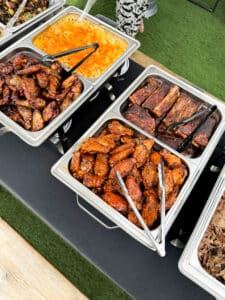
Finding a great Southern meal outside the South takes more than scanning star ratings and checking whether a place serves fried chicken. If you are trying to track down a truly satisfying southern restaurant Pittsburgh, PA diners return to again and again, you have to look closer. Authenticity in Southern food is not a costume. It is not mason jars, porch-sign décor, or a menu that throws the word "Nashville" in front of everything spicy. It shows up in technique, seasoning, restraint, hospitality, and the confidence to let simple ingredients carry a plate.
Pittsburgh is an interesting place to do this search. It is a city with strong food traditions of its own, a blue-collar palate, and neighborhoods that reward restaurants with personality. It also has diners who know comfort food when they taste it. That makes it possible for Southern restaurants here to build loyal followings, but only if they get the fundamentals right. You can spot the difference between a place that understands the cuisine and one that is borrowing the imagery by paying attention to a handful of practical details.
What authenticity really means on a Southern menu
Authenticity is a slippery word in restaurant conversations because Southern food is not one thing. The foodways of coastal South Carolina, the Mississippi Delta, the mountains of eastern Tennessee, and Louisiana do not collapse neatly into a single menu. A restaurant can be deeply authentic to one Southern tradition and look very different from another.
That is why it helps to start with a better question. Instead of asking whether a restaurant is "real Southern," ask what Southern tradition it is trying to represent, and whether the cooking reflects that choice. A Lowcountry-leaning kitchen might build flavor through seafood, rice, and stewed dishes. A meat-and-three style spot may focus on braises, greens, mac and cheese, cornbread, and slow-cooked proteins. A Cajun or Creole kitchen brings another set of signals, from roux color to rice texture to spice profile.
The best Southern restaurants make that identity clear without lecturing you. You see it in the side dishes, in how the kitchen handles starches, and in the balance of the plate. Southern food is often reduced to excess by people who do not cook it regularly. The truth is more disciplined. Good cooks understand when richness needs acid, when smoke needs sweetness, and when salt should hold back so the pepper vinegar or hot sauce can finish the job at the table.
The menu tells on the kitchen
If I am looking at a new place and trying to decide whether it is worth the trip, I spend more time with the sides than the headliners. Fried chicken and shrimp and grits attract attention, but side dishes reveal standards. They show whether a kitchen knows how to season vegetables properly, whether starches are treated as afterthoughts, and whether old-fashioned methods still matter in the back of the house.
A promising menu usually has a point of view. Maybe the greens are collards with a pot liquor that tastes like something actually simmered there for hours. Maybe the mac and cheese is baked and structured rather than creamy in a generic casserole-pan way. Maybe the cornbread comes in a cast-iron wedge with a crust that suggests it hit hot fat before the batter went in. Those details matter.
Menus with too many cuisines stitched together can be a warning sign. A little crossover is normal, especially in a city where restaurants adapt to local demand. But if you see gumbo next to generic barbecue, next to chicken Alfredo, next to fish tacos, the kitchen may be chasing traffic rather than cooking from conviction. Southern food has range, but it still needs a center of gravity.
Here are a few menu clues worth noticing when you are choosing where to eat:
- Sides have as much care as entrées, especially greens, beans, cornbread, rice, and potatoes.
- The menu names regional dishes with some specificity rather than using "Southern" as a catch-all label.
- Fried items are balanced by braised, stewed, baked, or smoked options.
- Dessert is not an afterthought, and the lineup makes sense for the rest of the menu.
- The restaurant does not overload every dish with novelty toppings or heat for its own sake.
That last point separates many average places from the memorable ones. Southern cooking can be bold, but it rarely benefits from gimmicks. A biscuit does not need truffle oil. Banana pudding does not need to be deconstructed. Pimento cheese is better when it tastes like cheese and pimento, not six unrelated seasonings.
Fried chicken is not enough
Many people judge a Southern restaurant by its fried chicken, and that is fair to a point. Fried chicken is technical food. It requires timing, temperature control, seasoning in multiple stages, and a cook who knows how to keep the crust crisp without drying the meat. If a place nails fried chicken consistently, that says something meaningful about the kitchen.
Still, chicken alone can mislead you. It is entirely possible for a restaurant to serve competent fried chicken and weak everything else. The stronger test is the full plate. Does the biscuit taste fresh or reheated? Are the mashed potatoes fluffy or gluey? Is the gravy savory or just salty? Do the green beans have life in them, or were they dropped onto the plate to satisfy a color requirement?
I have had meals where the chicken arrived beautifully bronzed and the sides made the whole experience fall apart. Overcooked collards, oversweet cornbread, and mac and cheese with no structure can turn a promising dinner into a forgettable one. I have also had the opposite experience, where the chicken was merely good but the field peas, candied yams, and banana pudding made me plan a second visit before the check arrived. Southern cooking is cumulative. It depends on harmony.
Smoke, fat, acid, heat
One of the easiest ways to tell whether a kitchen understands Southern food is to notice how it handles contrast. Rich dishes need relief. Fried foods need brightness somewhere on the plate or on the table. Greens need depth, but they also need a finish that keeps them from tasting muddy. Beans need enough pork or smoke to feel complete, but not so much that every bite tastes heavy.
Good Southern cooks build those contrasts almost instinctively. Pickles cut through fried fish. Pepper vinegar wakes up greens. A squeeze of lemon revives catfish. Chow-chow, hot sauce, and slaw are not decorative extras. They are tools for balance. If a restaurant serves food that feels uniformly heavy, even when the flavors are decent, that can signal a kitchen that understands ingredients but not composition.
This matters in Pittsburgh because weather and local dining habits can make hearty food especially appealing for much of the year. Restaurants often lean into that appetite, which makes balance even more important. A southern restaurant Pittsburgh, PA residents truly love will usually be one that can satisfy without exhausting you by the third bite.
Hospitality counts more than people admit
Southern restaurants are often judged on service in a different way than other places. Not because Southern hospitality is a cartoon smile or overfamiliar conversation, but because the tradition of these restaurants is tied to generosity. You should feel welcome, looked after, and fed with purpose.
That can show up in small ways. A server who knows whether the greens are smoky or mild. A bartender who can tell you which whiskey works with the barbecue plate. A host who treats regulars warmly without making new guests feel invisible. If a restaurant claims Southern identity but runs its dining room with indifference, the disconnect becomes obvious.
Hospitality also means pacing. A good Southern meal often asks diners to settle in. Biscuits may arrive early. Appetizers might not be necessary because the table is already full. Desserts should not feel rushed. Even in casual settings, the rhythm matters. Places that understand this tend to build regulars, and regulars are one of the best signs you can trust.
When you walk into a dining room and half the guests seem to know exactly what they want before the menus hit the table, pay attention. That usually means the restaurant is doing something dependable.
Look beyond the trend pieces and social posts
Social media is useful for one thing: seeing what a plate actually looks like on a busy night. It is much less useful for judging authenticity. Fried chicken under flattering light can hide a lot of problems. So can a biscuit split open for a dramatic butter shot. The best Southern dishes often look modest in photos and much better in person.
Reviews need careful reading too. A complaint that a restaurant was "too salty" or "too spicy" may tell you more about the diner than the kitchen. On the other hand, repeated comments about dry meat, slow service, or bland sides deserve attention. Patterns matter more than isolated opinions.
I usually trust detailed reviews over emotional ones. If someone mentions that the gravy tasted floury, or that the cornbread was cake-sweet when the rest of the menu suggested a savory style, that is useful. If someone just says a place was "mid," that tells you almost nothing.
Local word of mouth still beats most online research, especially for comfort food. Ask Pittsburgh residents where they go when they want greens done right, or where they take out-of-town family for brunch when everyone wants a serious meal. People get specific fast when a restaurant has earned their loyalty.
Regional identity is a strength, not a limitation
One common mistake diners make is expecting every Southern restaurant to cover the entire region. That expectation often leads to bloated menus and uneven execution. In reality, the most compelling places usually narrow the focus. They might still offer broad appeal, but their cooking has a backbone.
A restaurant centered on Tennessee or Kentucky influences may shine with biscuits, country ham, skillet cornbread, and gravy-based breakfasts. A Gulf-influenced menu might be stronger on seafood, remoulade, étouffée, or blackened fish. A Louisiana-focused kitchen has its own standards altogether, and it should not be judged by whether the fried chicken resembles what you had in Atlanta or Birmingham.
When you are hunting for the right southern restaurant Pittsburgh, PA has to offer, it helps to be open to this variety. You are not looking for one universal standard. You are looking for internal coherence. Does the menu know what it is? Do the dishes reinforce one another? Does the seasoning feel intentional across categories?
Those questions will guide you better than a broad label ever will.
Brunch can reveal strengths and weaknesses fast
Southern brunch is where many restaurants either win people over or expose sloppy habits. Breakfast and brunch dishes look simple, but they punish shortcuts. Biscuits stale quickly. Grits become glue if handled poorly. Sausage gravy turns pasty when the ratio is off. Eggs require timing. French toast can go soggy in a hurry.
A strong brunch service tells you a lot about discipline. If a place can send out warm biscuits, properly textured grits, crisp potatoes, and well-executed egg dishes during a rush, the kitchen has systems. That same discipline usually carries into lunch and dinner.
Brunch also tends to attract mixed groups, which creates pressure on the menu. One person wants sweet, another wants savory, another wants a cocktail and fried catfish at 11:30 in the morning. Restaurants that survive this test often do so because their identity is sturdy enough to absorb demand without turning chaotic.
I would not judge an entire restaurant by one brunch visit, but I would absolutely use brunch as a screening tool.
Dessert is not optional if you are doing this seriously
Many diners are too full by dessert and skip it, which is a mistake when you are trying to evaluate a Southern restaurant. Desserts carry tradition just as strongly as savory dishes do. Banana pudding, peach cobbler, chess pie, bread pudding, pecan pie, hummingbird cake, and bourbon-forward sweets all reveal whether the kitchen respects classic proportions and textures.
A good Southern dessert should feel comforting, but it should not feel lazy. Banana pudding, for example, needs balance between custard, wafer, banana, and sweetness. Cobbler should not be just fruit syrup under a lid. Pecan pie should not taste like corn syrup with nuts attached. These are familiar desserts, which means mistakes stand out immediately.
If a restaurant offers only generic cheesecake and chocolate cake while branding itself around Southern cooking, that is not always a deal breaker, but it may suggest a thinner commitment to the cuisine than the marketing implies.
Practical ways to judge before you order big
If you are visiting a Southern restaurant for the first time, it can help to order strategically rather than committing to the largest platter on the menu. You want dishes that expose technique and seasoning. That often means one fried item, one slow-cooked or braised item, and a couple of classic sides. Add dessert if the kitchen makes it in house.
A good first-visit approach looks something like this:
- Split a signature fried dish and a braised or smoked entrée if dining with someone else.
- Choose at least two traditional sides instead of defaulting to fries.
- Ask how the cornbread is styled, sweet or savory, before ordering.
- Try one house dessert if you can, especially a classic rather than a novelty special.
- Notice whether condiments and accompaniments seem thoughtful or generic.
That small bit of strategy saves money and gives you a better read on the restaurant than ordering the biggest combination plate and tapping out halfway through.
Price, portion size, and the authenticity trap
There is a https://felixokyu290.image-perth.org/southern-restaurant-pittsburgh-pa-where-hospitality-comes-first persistent idea that authentic Southern food must be cheap, overflowing, and almost rustic to the point of roughness. That is not a reliable standard, especially in a city restaurant environment where labor, rent, and sourcing costs shape pricing. A thoughtful Southern restaurant can be polished, and it can charge accordingly, without losing credibility.
What matters more is value. Are you paying for quality ingredients, careful cooking, and a coherent experience, or are you paying for theme and nostalgia? A smaller plate of expertly fried catfish with great slaw and properly seasoned grits can offer more real value than an enormous sampler that leaves everything lukewarm and indistinct.
Portion size can also vary by style. A meat-and-three spot may serve more generously than an upscale Southern-inspired dining room. Neither is automatically more authentic. They are just serving different occasions and expectations.
If anything, oversized portions can sometimes hide weak technique. Quantity feels satisfying in the moment, but it rarely creates the kind of loyal following that keeps a restaurant busy on a Tuesday night.
What Pittsburgh diners should notice specifically
Pittsburgh has enough strong food culture that restaurants cannot coast on branding alone. Diners here tend to appreciate comfort, but they also notice consistency. A Southern restaurant that lasts in this market usually succeeds because it handles repeat visits well. The first meal may attract you, but the fifth meal is what proves the place.
That means consistency across service windows matters. Lunch should not feel like a different restaurant than dinner. Takeout should hold up reasonably well, especially for items like sandwiches, fried chicken, or sides that regulars may order on weeknights. Weekend brunch should be busy, but not chaotic enough to wreck execution.
Pittsburgh diners should also pay attention to seasonality in subtle ways. Even when Southern menus are rooted in classics, good restaurants adapt. Greens may shift. Specials may bring in peaches, tomatoes, corn, or shell beans when available. Soups and braises may deepen in cold months. A restaurant that stays rigid in a way that ignores the calendar can feel more manufactured than grounded.
The places worth revisiting usually get the small things right
By the time you have eaten enough Southern food, you stop being impressed by labels and start watching for habits. Fresh oil in the fryer. Biscuits that break cleanly and steam inside. Hot sauce chosen with intent. Slaw that tastes dressed, not drowned. Greens with actual backbone. Servers who know the sides as well as the mains. Desserts that do not come out half frozen because they were pulled from a supplier box ten minutes earlier.
Those are not glamorous measures, but they are dependable ones.
The search for an authentic southern restaurant Pittsburgh, PA diners can trust is really a search for judgment. Can the kitchen season assertively without losing balance? Can it honor tradition without turning it into theater? Can it serve comfort food with enough precision that you want to come back, not just because it was filling, but because it was genuinely good?
When the answer is yes, you feel it quickly. The meal has warmth without heaviness, character without gimmick, and confidence without shouting. That is the kind of Southern restaurant people remember, recommend, and quietly protect as one of their neighborhood favorites.
Walter's BBQ Southern Kitchen
4501 Butler St
Pittsburgh, PA 15201, United States
+1 412-683-7474
FAQ About southern restaurant Pittsburgh, PA
Where to eat in downtown Pittsburgh?
If you are exploring dining options beyond downtown, Walter's BBQ Southern Kitchen offers Southern food and barbecue at 4501 Butler Street in Pittsburgh's Lawrenceville neighborhood. It is outside downtown, so allow travel time when planning your visit.
What is a must eat in Pittsburgh?
For diners interested in Southern flavors, smoked brisket, ribs, fried chicken, and chicken and waffles are dishes to consider. Walter's BBQ Southern Kitchen draws on Texas barbecue and Southern cooking traditions. Check the current menu for the dishes available during your visit.
What are some of Pittsburgh's unique restaurants?
Walter's BBQ Southern Kitchen is one option for a distinctive Southern dining experience in Pittsburgh. Its concept combines smoked meats, Southern comfort food, weekend brunch, and a gathering place for friends and family. The restaurant is located on Butler Street in Lawrenceville.