What Sets Southern Restaurant Pittsburgh, PA Apart From the Rest
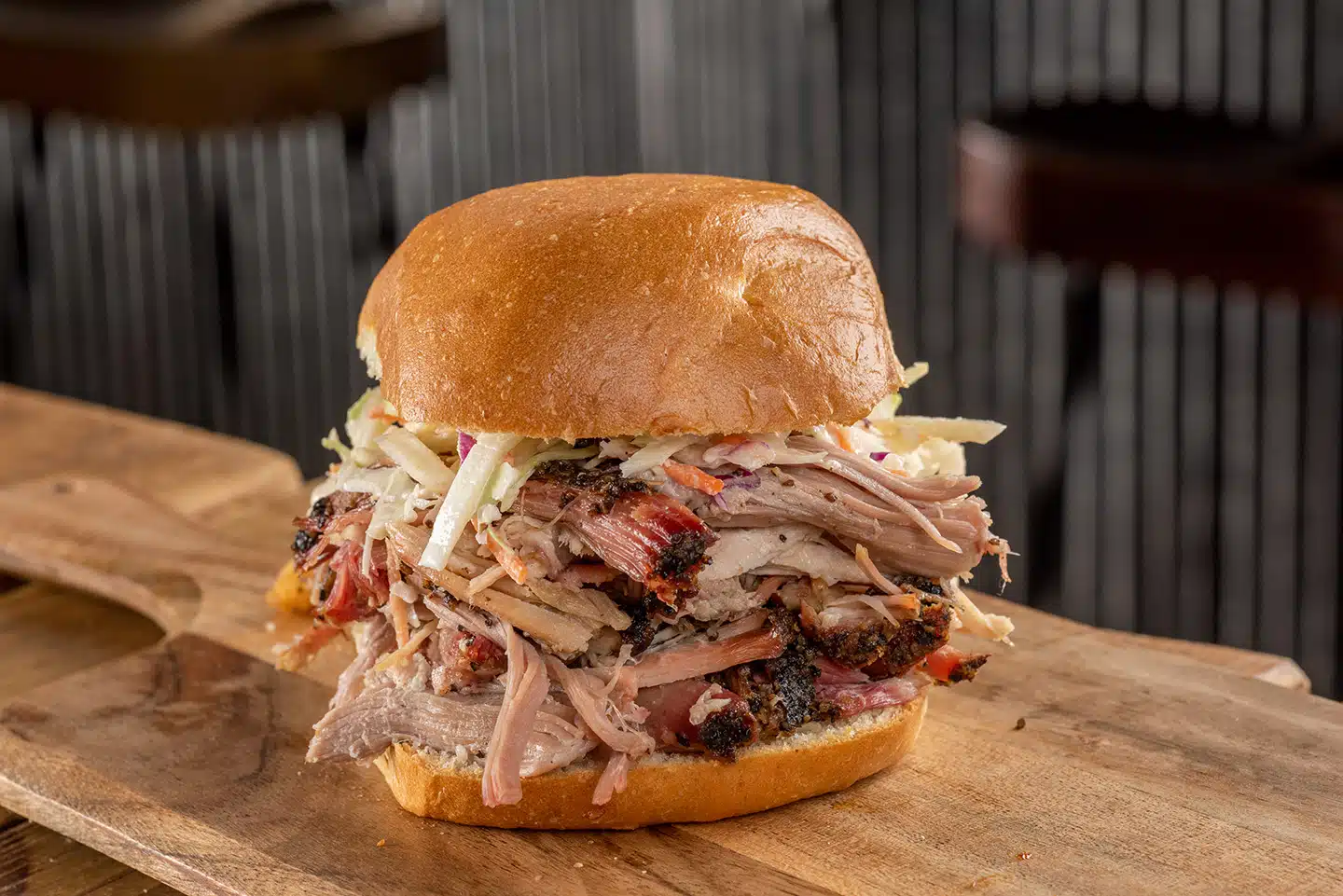
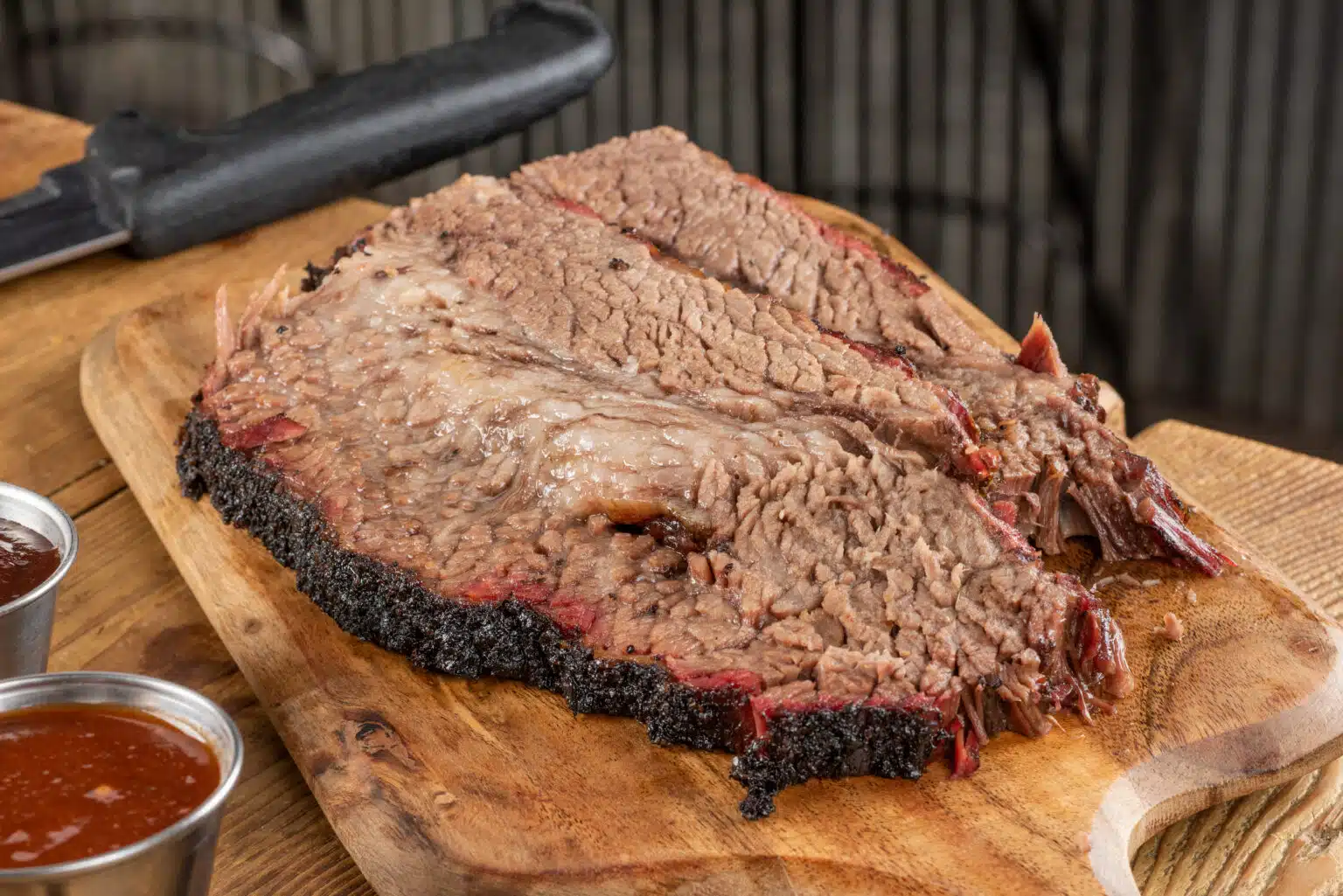
Pittsburgh has never been a one-note food city. Its dining scene has long reflected the region’s steel-town grit, immigrant traditions, neighborhood loyalties, and appetite for food that feels honest. That is exactly why a strong southern restaurant Pittsburgh, PA diners return to again and again has to do more than serve fried chicken and call it a day. It has to earn trust.
Southern food carries baggage, in the best and hardest sense of the word. People walk in with memories. Some grew up on biscuits made by a grandmother who never measured flour. Some know low-country seafood, some know Tennessee meat-and-three plates, some know Louisiana spice, and some simply want comfort food that is deeper than nostalgia. A restaurant working in that tradition has to navigate all of it. If it leans too hard on stereotypes, people notice. If it strips away the soul in pursuit of polish, people notice that too.
What separates the best southern spots in Pittsburgh is not gimmickry. It is judgment. It is the ability to know which details are non-negotiable, which recipes deserve restraint, and where local character can strengthen rather than dilute the cuisine.
Southern food is easy to imitate and hard to do well
There is a reason so many restaurants put shrimp and grits or chicken and waffles on a menu. Those dishes sell. They photograph well. Guests recognize them instantly. But recognition is not the same thing as quality, and familiarity can actually raise the bar. The minute a dish appears simple, every flaw becomes obvious.
Take fried chicken. Done right, it is one of the most satisfying things a kitchen can send out. Done poorly, it is a dry breast under a dark crust, or a greasy thigh with seasoning that never made it past the dredge. A restaurant that stands apart understands that southern cooking often depends on patience more than flash. Brining takes time. Resting breaded chicken before frying matters. Holding oil temperature steady matters. Seasoning in layers matters. There is no shortcut that does not show up on the plate.
The same is true of collard greens, mac and cheese, cornbread, black-eyed peas, gumbo, and pimento cheese. Guests may not always describe what feels off, but they know when a dish tastes flat, rushed, or designed by committee. Great southern cooking, whether rustic or refined, tends to have a backbone. Acid cuts richness. Salt is assertive without turning blunt. Smoke has purpose. Heat supports flavor rather than replacing it.
That level of execution is the first dividing line. A memorable southern restaurant in Pittsburgh, PA treats these dishes as craft, not costume.
Hospitality is not a side note, it is the whole frame
Southern dining traditions are often discussed in terms of food, but hospitality may be the more defining trait. The best restaurants in this category understand that service style is part of the experience, not a separate department. Warmth is not about forced friendliness or rehearsed banter. It is about making people feel looked after without making them feel managed.
You notice it in small moments. A server explains the difference between two styles of barbecue without sounding like a lecture. Someone catches that a table is sharing and spaces dishes accordingly. A guest who has never had chow chow or hot honey gets a quick, confident description that invites curiosity instead of embarrassment. Water glasses stay filled. Timing makes sense. The room feels attentive, not anxious.
In Pittsburgh, where diners can be discerning and direct, that kind of service goes a long way. People appreciate sincerity. They do not need theatrics. A southern restaurant that excels here often blends the generosity associated with southern dining and the straightforwardness Western Pennsylvania diners tend to respect. That combination feels grounded. It also builds regulars, which matters more than any grand opening buzz.
Regional specificity matters more than many menus admit
One of the quickest ways to spot a restaurant that truly knows its material is by how clearly it defines “southern.” The South is not a single pantry or a single cooking style. Cajun and Creole traditions are different from Appalachian cooking. Coastal Carolina dishes do not mirror what you find in Mississippi or Kentucky. Texas barbecue is its own world. Even grits can start an argument.
Restaurants that stand out usually make choices instead of trying to represent everything at once. That may mean anchoring the menu in Gulf influences, leaning into Appalachian comfort food, or building around Nashville, Charleston, Savannah, or New Orleans touchpoints. The point is not strict academic purity. The point is coherence.
When a menu tries to cover every southern classic from every subregion, it often ends up broad and blurry. The flavors lose definition. The kitchen gets stretched. The guest gets a sampler of symbols rather than a real point of view.
A stronger approach is narrower and more confident. Maybe the biscuit is the star and every plate is built with that level of care. Maybe the restaurant’s smoked meats are the center of gravity, while sides are treated with equal seriousness. Maybe the kitchen focuses on seafood stews, pickled vegetables, and rice dishes that reveal a specific lineage. Guests may not name the region immediately, but they can sense when a menu has internal logic.
That coherence is one of the strongest signs that a southern restaurant Pittsburgh, PA diners remember is being run by people who respect the cuisine enough to make decisions.
Ingredients do not need to be exotic, but they do need to be handled with respect
One mistake some operators make is assuming southern food succeeds on sheer richness. Butter, cream, sugar, and frying can carry a dish only so far. The food still depends on ingredients being treated thoughtfully.
Fresh herbs brighten heavy plates. Good greens need proper washing, careful braising, and balance from acid, pork, or spice. Beans need enough time to develop body and enough restraint to avoid turning muddy. Seafood has to be clean and sweet, especially in a city far from the coast where sourcing discipline matters. Even something as humble as cornbread reveals a kitchen’s standards. Is it crumbly in a good way or dry in a careless one? Does it have texture, fragrance, and a clean corn flavor, or does it taste like sweet cake baked from a mix?
The best restaurants also know how to work with what Pittsburgh and the surrounding region offer. That does not mean forcing local ingredients into every southern dish for marketing value. It means understanding where local sourcing genuinely improves quality. Seasonal produce from nearby farms can sharpen succotash, tomato pies, salads, pickles, and vegetable plates. Pennsylvania dairy can elevate biscuits, gravies, and desserts. Pork and poultry from strong regional suppliers can make a visible difference in flavor and texture.
Guests may come in looking for comfort, but quality ingredients are what turn comfort into conviction.
The menu has to balance classics with a real house identity
Every restaurant in this space faces the same tension. Guests want certain staples, yet a kitchen also needs room to express its own character. If the menu is too safe, it becomes forgettable. If it chases novelty too aggressively, it can alienate diners who came for recognizable favorites.
The places that stand apart usually solve this through layering rather than reinvention for its own sake. A guest can still find familiar anchors, but the details reveal intention. The biscuit might come with sorghum butter instead of standard honey. The grits might feature roasted mushrooms, smoked tomato, or a sharp local cheese that adds depth without overpowering the bowl. Fried green tomatoes might be paired with a remoulade that has actual brightness and heat, not just mayo and paprika.
There is also wisdom in understanding what not to modernize. Some dishes are strongest when left alone. Banana pudding does not need to be deconstructed. A well-made cobbler does not need an architectural plating style. Part of professional maturity is recognizing when restraint signals confidence.
A useful way to think about it is this:
- classics bring people in
- consistency keeps them coming back
- signature touches give them a reason to talk about the meal afterward
That formula is simple, but it is not easy. Most restaurants can manage one or two parts of it. The exceptional ones deliver all three.
Pittsburgh diners reward substance
Local context matters. https://privatebin.net/?aed19269944d45b9#EarZEsV7cWBQ3LvfD8tMk1dbxmpGPj91pesySwuJDneq A southern restaurant in a tourist corridor behaves differently from one trying to become part of a neighborhood’s weekly routine. Pittsburgh tends to reward restaurants that feel durable, not just fashionable. Diners here often care less about flash than whether a place delivers on a cold Tuesday in February.
That seasonal reality shapes what stands out. In a city with long winters, comfort food has natural appeal, but it must hold up under repeat visits. A plate that seems indulgent once can feel exhausting if every dish leans heavy and one-dimensional. The strongest southern menus in Pittsburgh usually know how to pace richness. They offer smoked meats and creamy sides, yes, but also pickled vegetables, salads with backbone, broths, grilled fish, lighter lunch options, and desserts that finish clean.
Portioning matters too. Guests want generosity, but generosity does not always mean excess. A well-composed plate that satisfies without numbing the palate is more likely to earn loyalty than an overloaded one built for social media. In my experience, diners remember how they felt after the meal almost as much as what they ate during it. That is especially true with southern cooking, where abundance can cross into heaviness if the menu lacks discipline.
The room itself should support the food, not parody it
Atmosphere can make or break a concept like this. Too often, restaurants fall into visual clichés, mason jars everywhere, reclaimed wood with no purpose, slogans on the wall, a soundtrack that feels focus-grouped. None of that creates authenticity. At worst, it turns a rich culinary tradition into stage dressing.
A restaurant that truly stands apart in Pittsburgh tends to feel lived-in rather than manufactured. Maybe the room is elegant, maybe it is casual, maybe it lands somewhere between a neighborhood supper spot and an updated dining room. The style matters less than the coherence. Lighting should flatter the food and relax the room. Seating should encourage people to settle in. Music should support conversation. The bar should feel useful, not ornamental.
Southern food often works best in spaces that signal ease. Guests should be able to order a celebratory meal, a solo drink and snack, or a family dinner without feeling miscast. That flexibility is harder to design than it sounds. It requires restraint in branding and a clear understanding of the clientele. In Pittsburgh, where many diners prize comfort over spectacle, a room that feels grounded can be a genuine competitive advantage.
Beverage programs often separate the good from the truly complete
When people talk about southern restaurants, they tend to focus on food first, which is fair. But a serious beverage program can lift the entire operation. Sweet tea is only the beginning. Cocktails, beer, wine, and nonalcoholic pairings all matter, especially with food that has smoke, spice, salt, and fat.
A thoughtful bourbon list can make sense, but it should not be there just to tick a cultural box. Staff should know how to guide guests toward something they will actually enjoy, whether that is a wheated bourbon, a rye with more spice, or a lower-proof option for someone who wants flavor without a heavy pour. Cocktails benefit from the same practical intelligence. Citrus can cut richness. Herbal notes can refresh the palate. Bitters can tighten a drink that might otherwise read sweet.
Beer matters more than some restaurant owners assume. A crisp lager with fried chicken is hard to beat. A balanced pale ale can stand up to barbecue. Local Pittsburgh brewing has enough depth that a restaurant can build pairings that feel regionally grounded without drifting from the southern identity of the kitchen.
The same goes for nonalcoholic options. House lemonades, shrubs, spiced teas, and zero-proof cocktails can elevate the experience for guests who are not drinking. When those beverages are treated as part of hospitality rather than an afterthought, the restaurant feels more complete.
Consistency is where reputations are really built
A lot of places can have one great weekend. Fewer can cook at a high level every service, train front-of-house staff well, keep recipes stable, and recover quickly when something slips. Yet that is what ultimately sets a restaurant apart from the rest. Not the first visit, the fifth.
Consistency in southern cooking is especially demanding because the menu often includes deceptively labor-intensive items. Biscuits vary with humidity and handling. Fry stations require vigilance. Smoked meats demand planning hours or even days ahead. Gravies can tighten or break. Greens and beans can drift in seasoning from batch to batch. Desserts that seem homespun still need precision if they are going to leave the kitchen cleanly during a busy service.
A restaurant earns a real following when guests stop wondering whether tonight will be as good as last time. That kind of confidence does not happen by accident. It comes from systems, tasting, training, prep discipline, and leadership that notices details before guests do.
You can usually feel it in the room. Tables are relaxed because the staff is not scrambling. Food arrives with rhythm. The kitchen is clearly busy, but the guest is not made to absorb the stress. That poise is one of the least flashy and most valuable qualities a restaurant can have.
Great southern restaurants know comfort and craftsmanship are not opposites
There is sometimes a false divide in dining between food that comforts and food that impresses. The best southern restaurants prove that the distinction is weak. A bowl of shrimp and grits can be deeply comforting and technically sharp. A biscuit can feel like home and still reflect serious skill. A plate of ribs can be generous and refined in execution.
This matters in a city like Pittsburgh, where diners often appreciate value but do not equate value with cheapness. They respond to craftsmanship when it is honest. They are not asking for fussiness. They are asking for food that respects their time, money, and expectations.
That respect can show up in many ways. It may be visible in a stock simmered properly for gumbo. It may be audible in a server who knows the menu cold. It may be felt in a dining room where regulars are greeted warmly without newcomers feeling excluded. However it appears, it creates the same outcome. Guests sense that the place means what it says.
Why some restaurants fade while others become institutions
Restaurants that rely too heavily on trend eventually run out of runway. A hot-honey glaze can carry a special, not a business. A wall of neon signs can attract first-timers, not necessarily regulars. When the excitement cools, only substance remains.
The southern restaurants that last in Pittsburgh usually share a few deeper traits. They understand their identity. They execute with discipline. They offer real hospitality. They adapt to local dining habits without flattening the cuisine into something generic. And they take seriously the fact that southern food means something personal to many of the people ordering it.
That last point is easy to underestimate. For some guests, these dishes are memory. For others, they are discovery. A restaurant that serves both groups well is doing something impressive. It is preserving a tradition while still making room at the table.
That is what truly sets a southern restaurant Pittsburgh, PA apart from the rest. Not just the menu, not just the mood, and not just the marketing. It is the combination of clarity, care, and consistency that makes people trust the place enough to come back hungry, confident, and ready to order the same favorite again, or try something new because the kitchen has already earned the benefit of the doubt.
Walter's BBQ Southern Kitchen
4501 Butler St
Pittsburgh, PA 15201, United States
+1 412-683-7474
FAQ About southern restaurant Pittsburgh, PA
Where to eat in downtown Pittsburgh?
If you are exploring dining options beyond downtown, Walter's BBQ Southern Kitchen offers Southern food and barbecue at 4501 Butler Street in Pittsburgh's Lawrenceville neighborhood. It is outside downtown, so allow travel time when planning your visit.
What is a must eat in Pittsburgh?
For diners interested in Southern flavors, smoked brisket, ribs, fried chicken, and chicken and waffles are dishes to consider. Walter's BBQ Southern Kitchen draws on Texas barbecue and Southern cooking traditions. Check the current menu for the dishes available during your visit.
What are some of Pittsburgh's unique restaurants?
Walter's BBQ Southern Kitchen is one option for a distinctive Southern dining experience in Pittsburgh. Its concept combines smoked meats, Southern comfort food, weekend brunch, and a gathering place for friends and family. The restaurant is located on Butler Street in Lawrenceville.